

Introduction
Pakistan is not just a country; it is a living story of faith, culture, and shared joy. From quiet prayers at dawn to colorful music-filled nights, every celebration reflects the soul of the nation. The Festival Names of Pakistan carry deep meanings rooted in history, belief, and community values. These festivals bring people together, crossing boundaries of language, region, and tradition. They remind us who we are, and where we come from. Whether it is a religious occasion, a national day, or a cultural fair, each festival adds color to everyday life and strengthens emotional bonds among people.
In this guide, you will explore the Festival Names of Pakistan that truly define its identity. This post offers clear meanings, cultural background, and the importance of each celebration in simple words. You will learn how these festivals shape traditions, promote unity, and preserve heritage. If you love culture, history, or travel, this list will help you understand Pakistan beyond headlines—through moments of joy, sacrifice, and pride.
Eid ul-Fitr
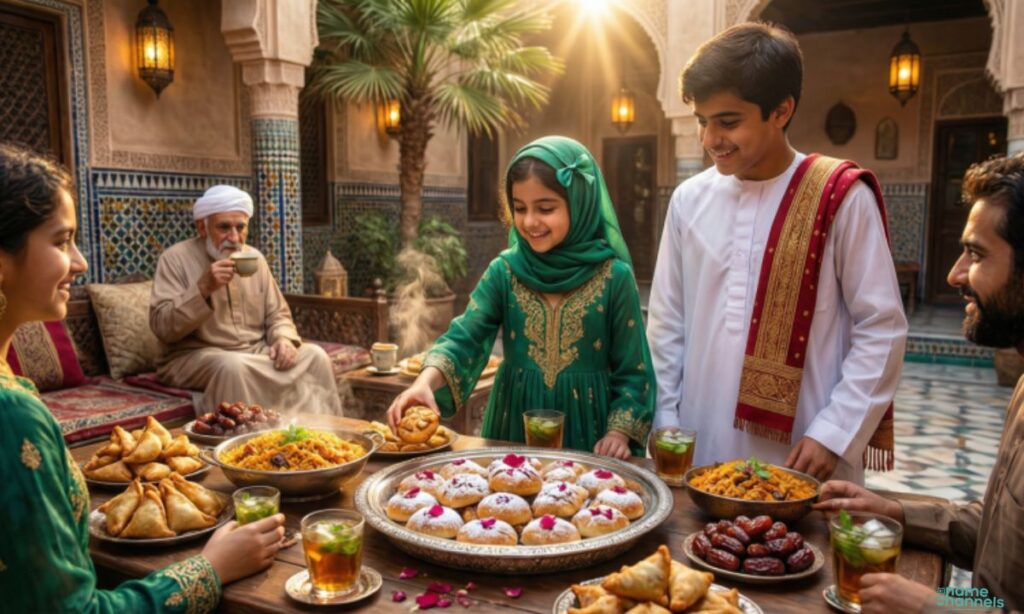
Muslims across Pakistan celebrate this beautiful festival with prayers, feasts, and heartfelt gatherings. Families wake up early to offer special prayers at mosques and open grounds.
This festival brings communities together in the most touching ways. People wear new clothes and exchange warm wishes with neighbors. The air fills with excitement as children receive Eidi—gifts of money from elders.
Here’s what makes Eid ul-Fitr special in Pakistan:
- Sweet dishes like sheer khurma and sewaiyan grace every table
- Markets burst with colorful bangles, mehndi designs, and festive decorations
- Families visit relatives they haven’t seen in months
- Charitable giving becomes a beautiful priority for everyone
- Traditional foods like biryani and korma are prepared with love
The festival names of Pakistan all carry deep meaning, but Eid ul-Fitr holds a unique place. Streets transform into celebration zones where laughter echoes everywhere. Women gather to apply intricate henna patterns on each other’s hands.
Mosques overflow with worshippers dressed in their finest attire. The spirit of forgiveness and gratitude touches every heart. This sacred day reminds us that patience and devotion bring the sweetest rewards.
Eid-ul-Adha
Eid ul-Adha stands as one of the most significant festival names of Pakistan. This occasion honors Prophet Ibrahim’s willingness to sacrifice for his faith. Muslims commemorate this devotion through the ritual of Qurbani—sacrificing animals.
The festival teaches profound lessons about selflessness and compassion. Families distribute meat among relatives, neighbors, and those in need. This act of sharing creates bonds that strengthen our society.
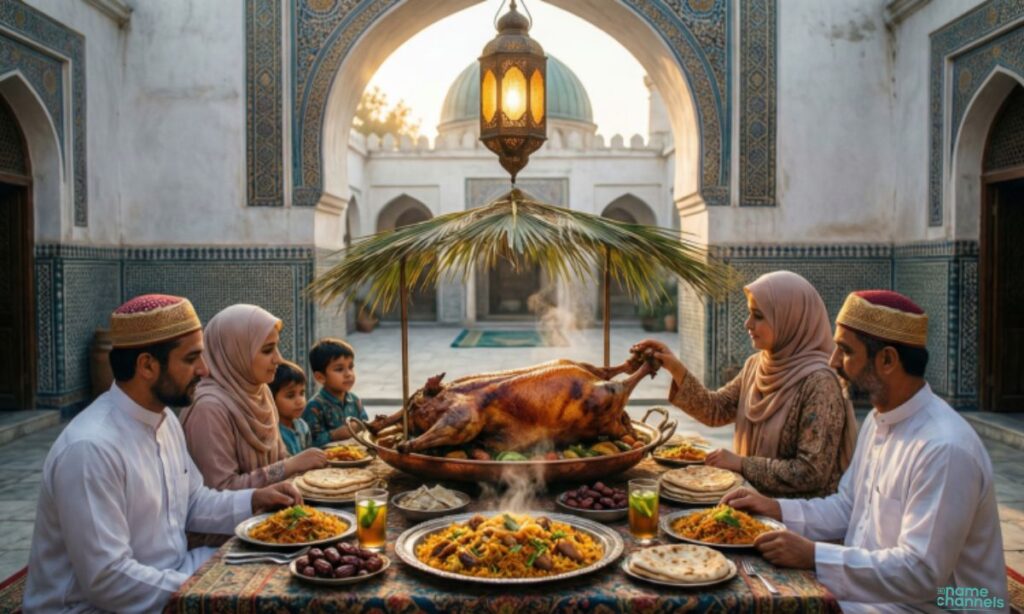
Key traditions during Eid ul-Adha include:
- Early morning prayers followed by the sacrifice ceremony
- Dividing meat into three equal portions for family, friends, and the poor
- Preparing traditional dishes like nihari, paya, and karahi
- Wearing traditional shalwar kameez in festive colors
- Visiting homes of loved ones throughout the three-day celebration
Communities come alive with the sounds of takbeer echoing from every corner. Children play in streets decorated with lights and colorful banners. The aroma of grilled meat fills neighborhoods as families cook together.
This festival reminds us that true blessing lies in giving. Markets become crowded as people shop for animals weeks in advance. The atmosphere buzzes with anticipation and spiritual reflection.
Pakistani culture shines brightest during this time when generosity becomes everyone’s priority. Religious festivals of Pakistan like this one connect us to our faith and heritage.
Pakistan Day
Pakistan Day celebrates the historic Lahore Resolution of March 23, 1940. This national festival remembers when our leaders demanded a separate homeland. The day fills every Pakistani heart with pride and patriotism.
Grand military parades showcase our nation’s strength and unity. Citizens gather in parks and public spaces waving green and white flags. Schools organize special programs where children perform patriotic songs.
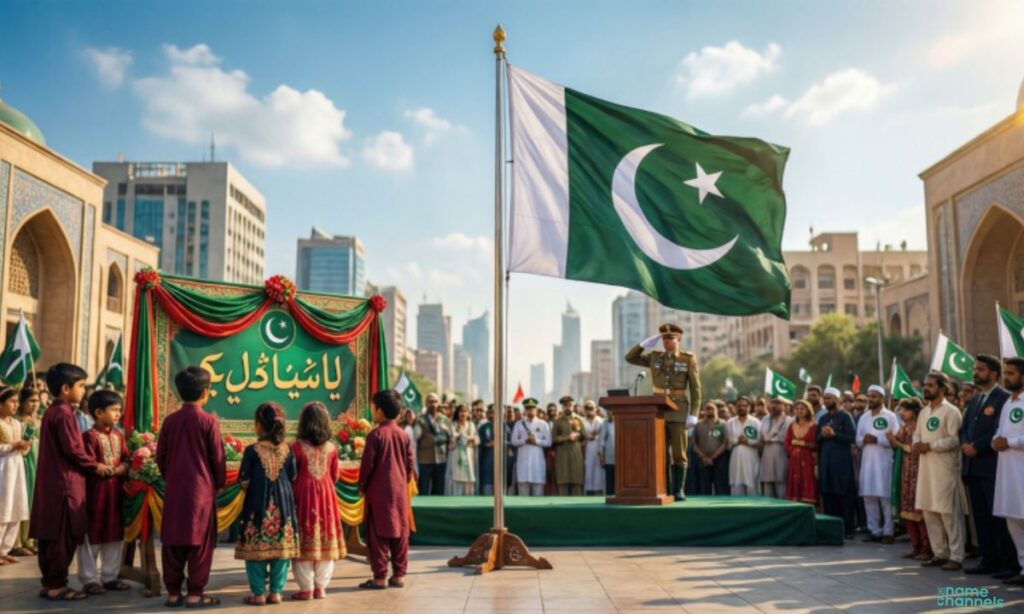
Pakistan Day celebrations feature:
- Spectacular air shows by Pakistan Air Force
- Award ceremonies honoring brave citizens and heroes
- National anthem sung with tears of pride in eyes
- Documentaries about our independence struggle on television
- Green and white decorations covering buildings and streets
Among all festival names of Pakistan, this one unites people beyond religious boundaries. Families spend quality time together watching the parade broadcast. Streets fill with vendors selling flags, badges, and national symbols.
The President and Prime Minister address the nation with inspiring speeches. Museums and historical sites offer free entry to educate younger generations. This day teaches us to value the sacrifices our ancestors made.
Cultural shows display Pakistan’s diverse traditions from all provinces. Folk dancers perform bhangra, attan, and dhamal with infectious energy. Food stalls serve regional delicacies that represent our rich culinary heritage.
Children wave flags from car windows as families drive through decorated streets. The festival creates a sense of belonging that transcends everyday differences.
Independence Day
Independence Day burns bright in every Pakistani’s soul on August 14th. This glorious day marks our freedom from colonial rule in 1947. The entire nation dresses in green and white to honor our founding fathers.
Midnight celebrations kick off with flag-hoisting ceremonies across the country. Buildings illuminate with vibrant lights creating a magical skyline. People of all ages gather in streets singing national songs with pure emotion.
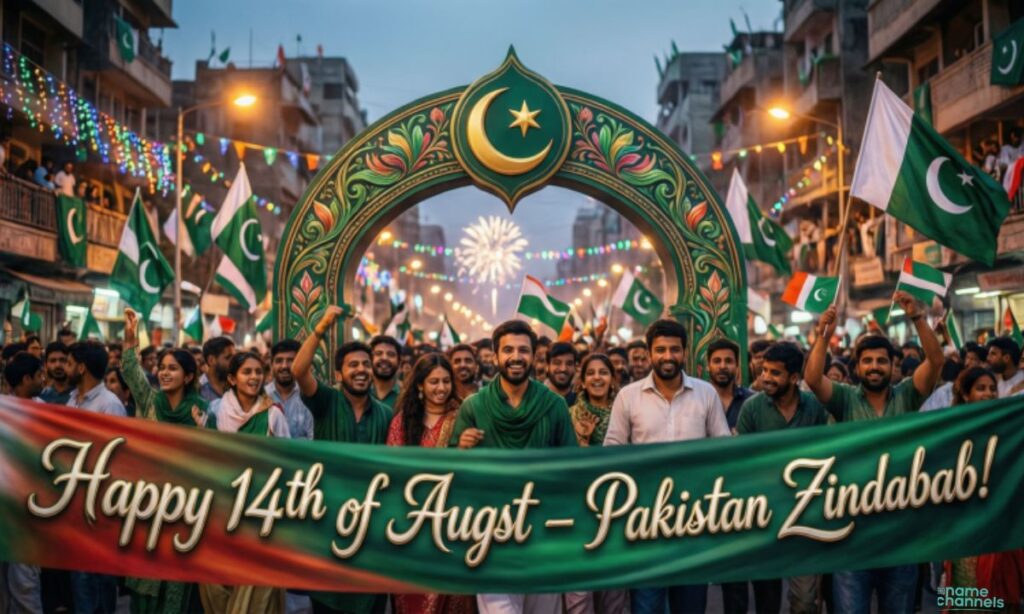
Independence Day brings these memorable moments:
- Flag-raising ceremonies at government buildings and homes
- Special broadcasts showing Pakistan’s journey through decades
- Fireworks lighting up the sky in every major city
- Shopping malls offering special discounts on everything
- Concerts featuring patriotic music that stirs the heart
- Children painting faces with crescent and star symbols
The festival names of Pakistan include many celebrations, but this one touches the deepest emotions. Families stay awake past midnight to witness the official moment of independence. Radio stations play classic songs from our freedom movement.
Streets transform into festivals where strangers become friends instantly. Young people ride motorcycles decorated with flags and colorful streamers. The spirit of unity washes away all differences between communities.
Markets stay open late selling national merchandise and traditional sweets. Television channels air special programs about heroes who fought for our freedom. This day reminds us that liberty came at a precious cost.
Defense Day (6th September)
Defence Day honors the brave soldiers who protected our borders in 1965. 6th September stands as a testament to Pakistani courage and resilience. The nation pays tribute to martyrs who sacrificed everything for our safety.
Military installations open their doors for public visits on this sacred day. War veterans share their stories with younger generations at special gatherings. The entire country observes a moment of silence for fallen heroes.
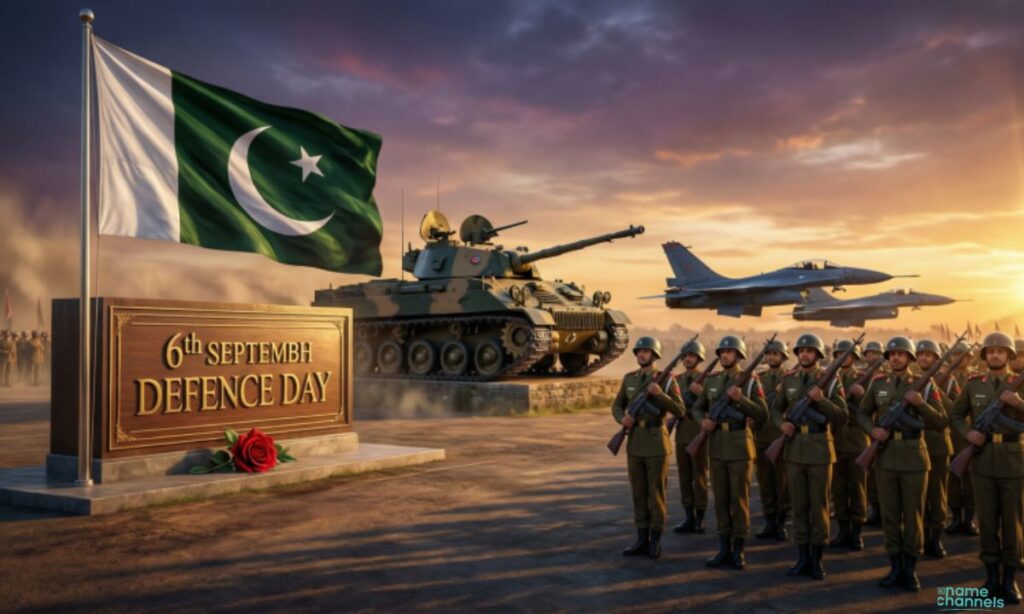
Defence Day commemorations include:
- Wreath-laying ceremonies at Shuhada monuments nationwide
- Military exhibitions displaying tanks, aircraft, and weapons
- Documentary screenings about the 1965 war at cinemas
- Blood donation drives organized by hospitals and organizations
- Veterans receiving honors and recognition from government officials
- Schools teaching students about our military history
This festival among the festival names of Pakistan reminds us of our defenders’ bravery. Families visit war memorials to offer flowers and prayers. Green flags flutter from every rooftop as citizens show solidarity with armed forces.
Television channels broadcast interviews with war heroes throughout the day. Children write thank-you cards to soldiers stationed at borders. The atmosphere fills with gratitude rather than celebration.
National songs praising our military forces play on every radio station. Communities organize walks and runs to raise awareness about national security. This day strengthens our resolve to protect our homeland.
People share stories of bravery on social media with hashtags honoring martyrs. The festival connects civilians with those who stand guard at frontiers.
Shandur Polo Festival
Shandur Polo Festival brings adventure lovers to the world’s highest polo ground. This unique celebration happens every July in Gilgit-Baltistan’s breathtaking mountains. Teams from Chitral and Gilgit compete in thrilling matches above the clouds.
The festival transforms a remote plateau into a bustling carnival of culture. Thousands travel to witness this spectacular sporting tradition at 12,000 feet altitude. Tents dot the landscape as visitors camp under starlit skies.
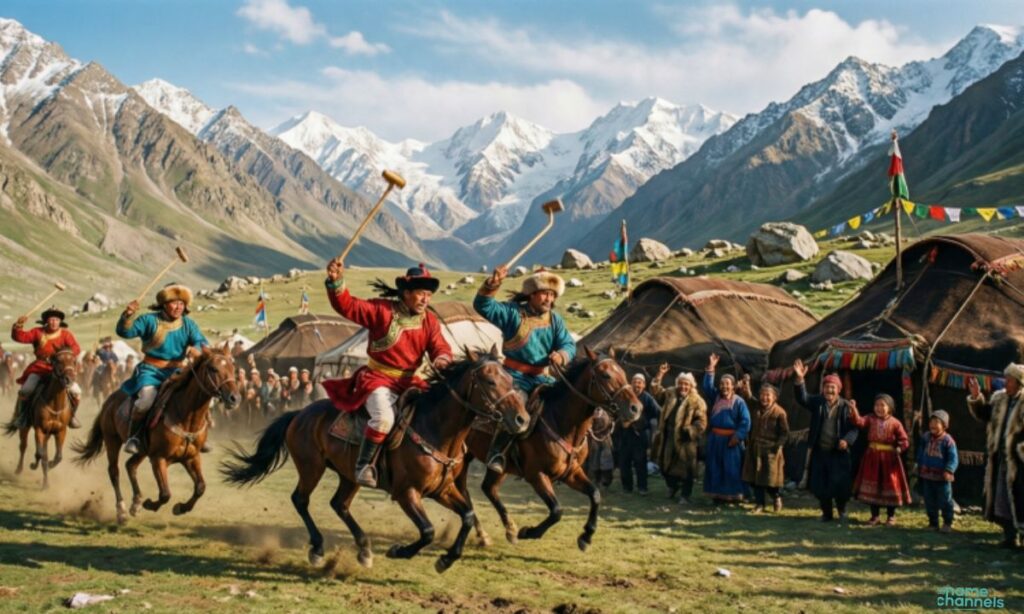
Shandur Polo Festival offers these unforgettable experiences:
- Freestyle polo matches played without formal rules or umpires
- Traditional music performances by local folk artists
- Camping under crystal-clear mountain skies
- Hiking trails leading to stunning viewpoints
- Local handicraft stalls selling woolen shawls and jewelry
- Bonfire gatherings where people share stories and songs
Among festival names of Pakistan, this one stands out for its adventurous spirit. Horses thunder across the ground while spectators cheer with wild enthusiasm. The crisp mountain air carries sounds of dhol drums and cheering crowds.
Local communities showcase their rich cultural heritage through dance performances. Visitors taste traditional foods like chapshuro and harissa prepared by mountain people. The festival celebrates both sport and the stunning natural beauty of northern Pakistan.
Photographers capture breathtaking moments against snow-capped peaks in the background. Families from different regions bond over shared excitement for the matches. This gathering proves that festivals can happen anywhere—even at the roof of the world.
The event draws both domestic and international tourists seeking authentic experiences. Polo players display incredible horsemanship skills passed down through generations.
Kalash Festival
Kalash Festival celebrates the unique culture of the Kalash people in Chitral Valley. This vibrant celebration happens three times yearly with Chilam Joshi, Uchau, and Choimus festivals. The indigenous Kalash community preserves ancient traditions through colorful rituals and dances.
Women wear elaborate black robes decorated with cowrie shells and beads. Their traditional headdresses sparkle with ornaments that jingle during folk dances. The valley comes alive with drum beats and singing that echoes through mountains.
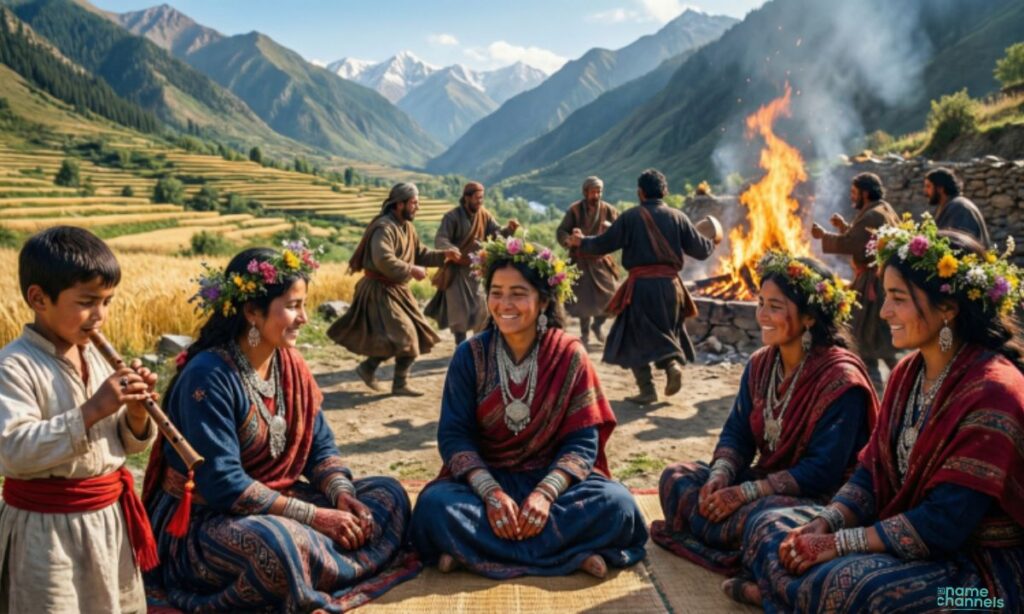
Kalash Festival features these captivating traditions:
- Women performing traditional dances in circles for hours
- Offerings of milk, cheese, and bread to nature spirits
- Young people wearing flower crowns during spring celebrations
- Elders sharing ancient folklore around community fires
- Ritual prayers at sacred altars nestled in mountain groves
- Traditional wine making from local grapes and mulberries
The festival names of Pakistan include many celebrations, but Kalash traditions remain truly distinct. Visitors witness a living culture that has survived for thousands of years. Children learn ancestral songs and dances from their grandparents with pride.
The spring Chilam Joshi festival welcomes new seasons with thanksgiving ceremonies. Families purify their homes and barns with special rituals. Goats receive decorations and blessings before shepherds take them to high pastures.
Foreign tourists travel specifically to witness these rare cultural practices. Local communities warmly welcome guests to join their celebrations and feasts. The festivals showcase how diversity makes Pakistan culturally rich and fascinating.
Nowroz
Nowroz marks the Persian New Year celebrated across Pakistan on March 21st. This spring festival brings fresh hope as nature awakens from winter slumber. Communities in Balochistan, Gilgit-Baltistan, and Khyber Pakhtunkhwa observe this ancient tradition with enthusiasm.
Families clean their homes thoroughly and wear new clothes for the occasion. Special foods symbolizing prosperity and health appear on decorated tables. The festival represents renewal, growth, and the victory of light over darkness.
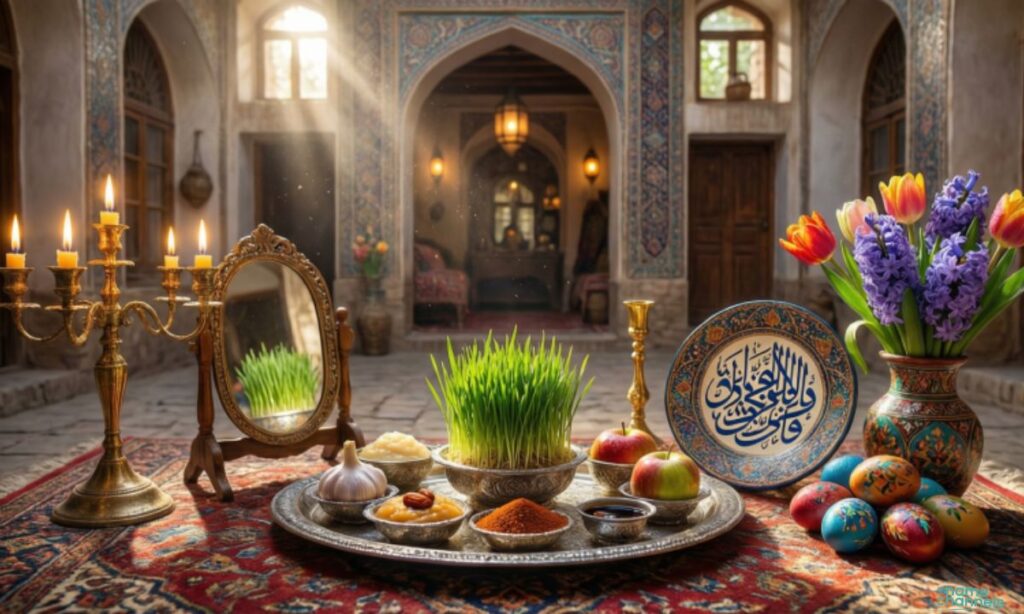
Nowroz celebrations include these beautiful customs:
- Setting traditional Haft-Seen tables with seven symbolic items
- Preparing special dishes like samanu, a sweet wheat pudding
- Visiting relatives to exchange gifts and warm wishes
- Jumping over bonfires to cleanse away negativity
- Children receiving money and presents from elders
- Folk music performances celebrating spring’s arrival
This festival among the festival names of Pakistan connects us to ancient heritage. Markets fill with shoppers buying dried fruits, nuts, and special ingredients. The aroma of traditional sweets wafts through neighborhoods during preparation days.
Cultural programs feature traditional music played on rubab and tabla instruments. Poets recite verses celebrating nature’s beauty and life’s blessings. Communities organize picnics in gardens where flowers bloom in vibrant colors.
The festival teaches respect for nature’s cycles and seasonal changes. Families plant seeds symbolizing new beginnings and future growth. This celebration proves that cultural festivals of Pakistan embrace multiple traditions beautifully.
Sibi Mela
Sibi Mela transforms Balochistan’s desert landscape into a cultural wonderland every February. This historic festival has continued for centuries at the same location. Tribes from across Balochistan gather to showcase their traditions, livestock, and handicrafts.
The mela captures the rugged spirit and hospitality of Balochi culture. Camel races, cattle displays, and traditional sports draw massive crowds. Artisans sell beautifully embroidered textiles and handcrafted pottery under colorful tents.
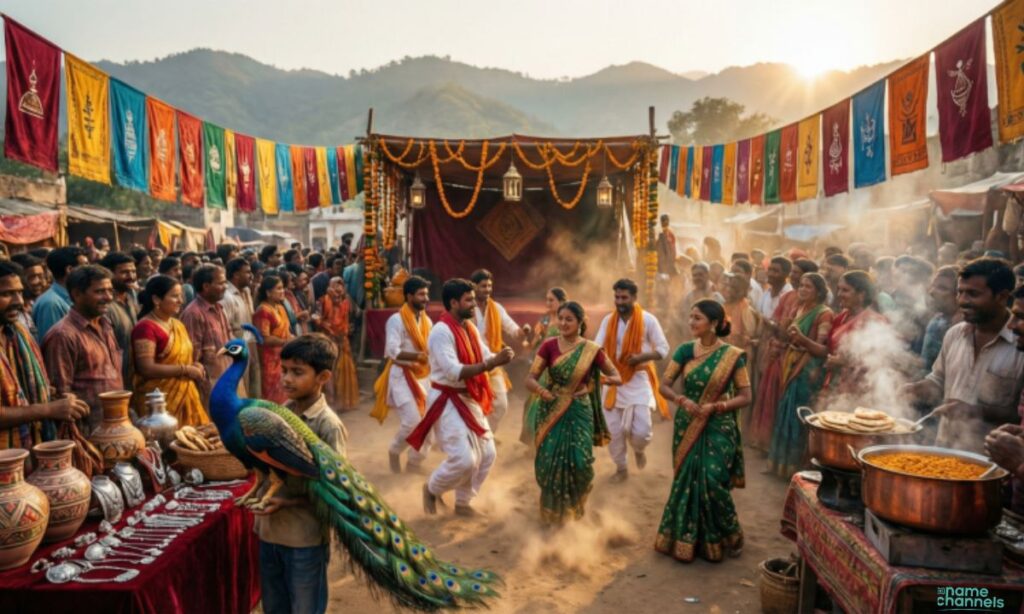
Sibi Mela offers these exciting attractions:
- Horse and camel dancing competitions with skilled riders
- Wrestling matches between strong men from different tribes
- Traditional Balochi music performances on suroz instruments
- Livestock exhibitions featuring prize-winning bulls and sheep
- Handicraft stalls displaying mirror-work embroidery and rugs
- Tent pegging demonstrations showing equestrian skills
Among festival names of Pakistan, Sibi Mela represents provincial pride magnificently. Women wear traditional Balochi dresses adorned with intricate needlework. The vibrant colors of their costumes create a stunning visual spectacle.
Food vendors serve sajji—whole lamb roasted to perfection over open flames. The smoky aroma attracts visitors who line up for authentic regional cuisine. Sweet shops offer traditional sweets made with dates and pistachios.
Government officials and dignitaries attend to honor Balochi culture and traditions. Cultural troupes perform folk dances that tell stories of desert life. This gathering strengthens bonds between tribes while welcoming outsiders warmly.
The festival proves that Pakistan’s cultural diversity deserves celebration and preservation. Photographers capture moments that showcase our nation’s lesser-known cultural treasures.
Lok Virsa Mela
Lok Virsa Mela brings all of Pakistan’s cultures together in Islamabad annually. This magnificent festival celebrates our nation’s folk heritage during two weeks each year. The National Institute of Folk and Traditional Heritage organizes this colorful extravaganza.
Pavilions representing each province display unique crafts, foods, and performances. Visitors experience Pakistan’s complete cultural tapestry in one amazing location. Artists from remote villages get platforms to showcase their incredible talents.
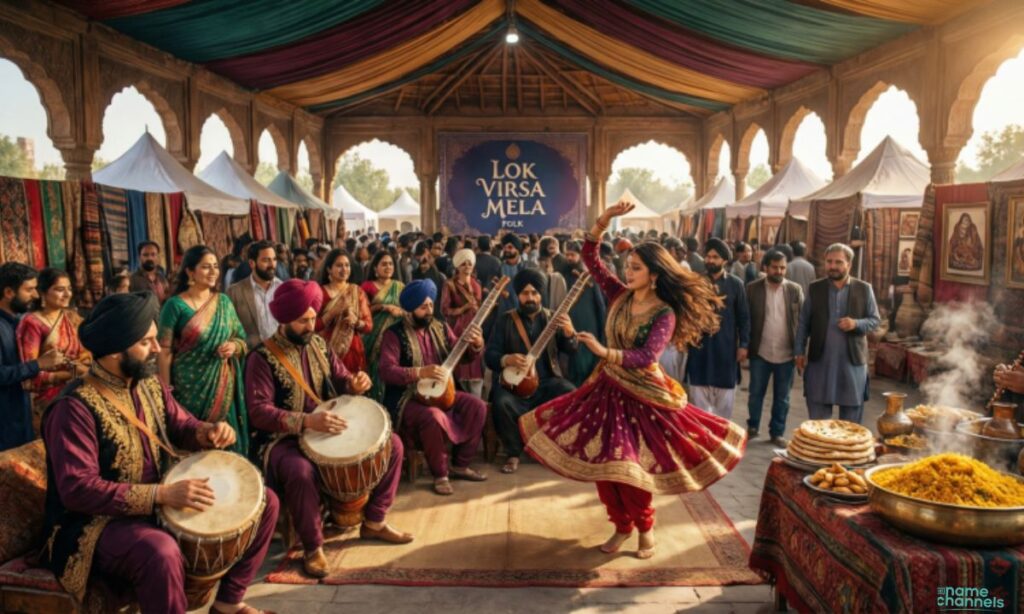
Lok Virsa Mela presents these wonderful features:
- Provincial pavilions selling regional handicrafts and traditional items
- Live folk music concerts featuring instruments from across Pakistan
- Cultural dance performances including bhangra, luddi, and khattak
- Traditional food courts serving delicacies from all regions
- Craft demonstrations where artisans create pottery, textiles, and jewelry
- Children’s activities teaching traditional games and skills
The festival names of Pakistan culminate beautifully in this comprehensive celebration. Families spend entire days exploring different sections and learning about diverse traditions. Sindhi ajrak, Punjabi phulkari, and Pashtun embroidery attract shoppers seeking authentic items.
Storytellers captivate audiences with folk tales passed through generations orally. Puppet shows entertain children while teaching moral lessons through entertainment. The atmosphere buzzes with languages, music, and aromas from every corner of Pakistan.
This mela strengthens national unity by highlighting what makes each region special. Visitors leave with deeper appreciation for Pakistan’s incredible cultural wealth. The festival demonstrates that our differences create beauty when celebrated together.
Frequently Asked Questions
What are the most famous Festival Names of Pakistan?
The most popular festivals include Eid ul-Fitr, Eid ul-Adha, Independence Day, Pakistan Day, and Lok Virsa Mela.
Why are festivals important in Pakistani culture?
Festivals strengthen community bonds and keep cultural and religious traditions alive across generations.
Are all festivals in Pakistan religious?
No, the Festival Names of Pakistan include religious, cultural, seasonal, and national celebrations.
Which festival is celebrated nationwide?
Eid ul-Fitr and Independence Day are celebrated across the country with great enthusiasm.
What is the most unique cultural festival in Pakistan?
The Kalash Festival is unique due to its ancient traditions and vibrant rituals.
When is Pakistan Independence Day celebrated?
Every year on 14th August, we celebrate Independence Day.
Which festival highlights traditional sports?
The Shandur Polo Festival showcases traditional polo in a stunning mountain setting.
Are Pakistani festivals family-friendly?
Yes, most festivals focus on family gatherings, sharing food, and community joy.
What festival represents cultural heritage best?
Lok Virsa Mela best reflects Pakistan’s regional arts, crafts, and folk traditions.
Do festivals attract tourists to Pakistan?
Yes, cultural festivals play a major role in promoting tourism and cultural exchange.
Conclusion
The Festival Names of Pakistan are more than calendar events; they are expressions of identity, faith, and collective memory. Each celebration tells a story of sacrifice, gratitude, freedom, or cultural pride. These festivals create moments where differences fade and unity grows. From spiritual gatherings to lively cultural fairs, every festival reflects the emotional strength of Pakistani society. They teach respect for tradition while welcoming modern expression.
By understanding the Festival Names of Pakistan, you gain insight into the heart of the nation. These celebrations preserve heritage, promote harmony, and pass values to future generations. Whether you are a local or a visitor, experiencing these festivals offers a deeper connection to Pakistan’s true spirit. They remind us that joy is greater when shared, and culture lives on through celebration.
Related posts
- 350+ Creative Frog Names: The Ultimate Pet Amphibian Naming Guide
- South Park Characters: Main Kids, Families, Villains, and Celebrity Parodies (Updated 2025/2026)
- 250+ Top Funny First and Last Names You Won’t Believe–Unique Name Ideas for Pets, Gamers, and Social Media
- 350+ Best Boat Names for 2026: Ultimate Guide to Naming Your Vessel (With Meaning & Ideas)
- 150+ King of Kings, Messiah, Emmanuel: All the Names of Jesus Showing their Eternal Glory
- 300+ Pig Names You’ll Love; Adorable, Silly & Meaningful Name Ideas
- 250+ Unique Ideas for Character Names That Inspire Your Writing
- 170+ Japanese Names That Mean Death: Male, Girl, Darkness & Bringer
- 600+ Pirate Names: Best Male, Female, Funny and Famous Name Ideas
- 1100+ Unique Truecaller Names for Boys & Girls 2026
- 1000 Best Islamic Username Ideas 2026
- 1300+ Hood Nicknames Ideas 2026
- 600+ Cool And Badass Moose Names 2026

Ash is a naming specialist with 4 years of experience in creative branding, business naming, and identity crafting. She now shares her expertise on NameChannels.com, helping entrepreneurs, creators, and individuals discover unique, memorable, and impactful names.